15 Sept 2026 6 min read
Monsoon Plant Care Guide for Indian Gardens
Monsoon season brings a strange contradiction for gardeners: the rain your plants have been waiting for all summer can just as easily kill them if you’re not watching closely. Waterlogged pots, root rot, and fungal outbreaks spike every year between June and September, and by the time symptoms show, the damage is often already underway.
Here’s how to get your garden through the monsoon without losing plants to the very rain that’s supposed to help them.
Why Monsoon Is Riskier Than It Looks
During summer, the main risk to plants is underwatering. Monsoon flips that risk entirely. Continuous rain means pots and garden beds stay wet for days at a stretch, cutting off oxygen to the roots and creating exactly the damp, humid conditions fungal pathogens need to spread.
The plants most at risk are the same ones that thrived through summer heat — because their watering routine, set for dry conditions, suddenly becomes far too much once the rains set in.
Common Monsoon Plant Problems
- Root rot — roots sitting in waterlogged soil begin to decay, often shown by wilting despite wet soil, or a foul smell near the base
- Fungal leaf spots — dark, spreading patches on leaves caused by prolonged leaf wetness and poor airflow
- Powdery mildew — a white, powdery coating on leaves, common in humid, low-airflow conditions
- Pest surges — slugs, snails, and certain fungus gnats thrive in consistently damp soil
- Nutrient runoff — heavy rain can wash away nutrients from both soil and potting mix faster than usual
Monsoon Plant Care: Step-by-Step
1. Fix Drainage Before the Rains Start
This is the single most important monsoon prep step. Check that every pot has adequate drainage holes, and that saucers underneath aren’t left to collect standing water. For garden beds, raised beds or mounded soil help prevent pooling around root zones.
2. Adjust Your Potting Mix
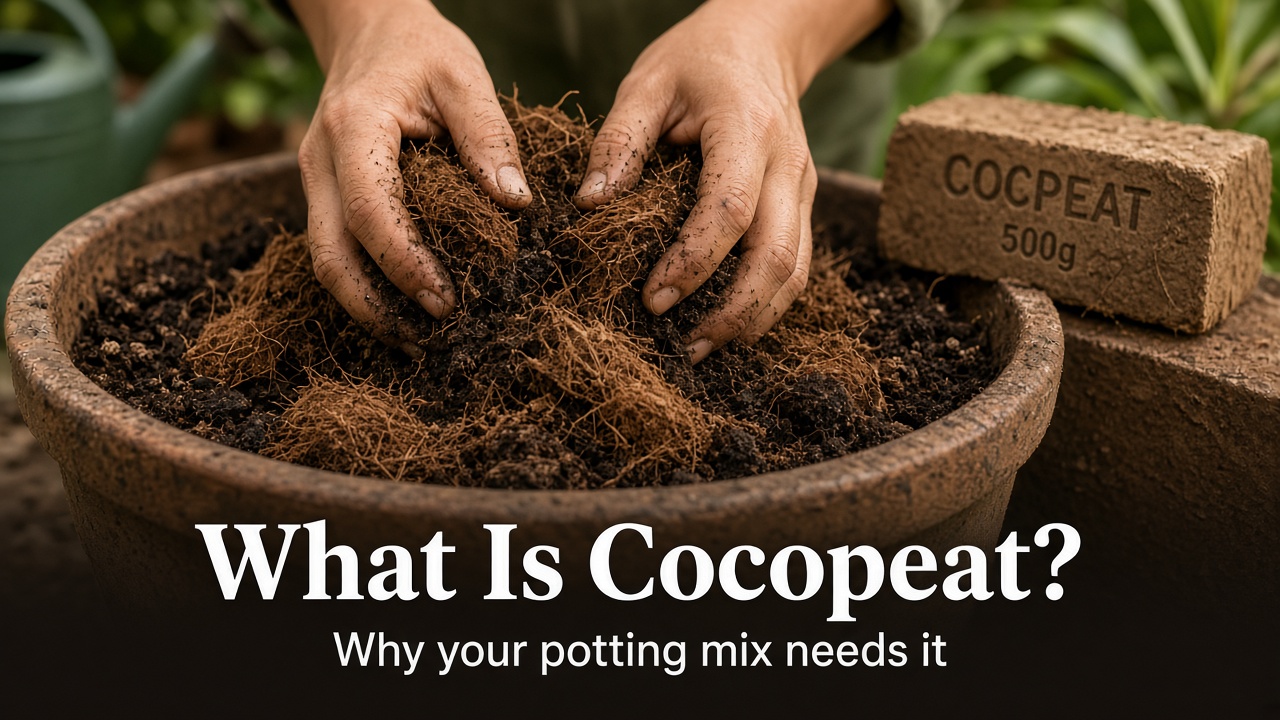
A mix that drains too slowly during monsoon becomes a liability. Working perlite or extra cocopeat into your potting mix improves aeration and helps excess water pass through rather than sit around the roots.
3. Reduce or Pause Manual Watering
Once the rains are consistent, manual watering should scale back significantly, or stop entirely for outdoor plants. Check soil moisture before watering rather than following your pre-monsoon schedule — overwatering on top of rainfall is one of the fastest ways to trigger root rot.
4. Move Vulnerable Plants Under Cover
Succulents, cacti, and other plants that prefer dry conditions often do best moved under a roof overhang or indoors during the heaviest weeks of the monsoon, rather than left exposed to continuous rain.
5. Improve Airflow
Space plants further apart than you would in drier months, and prune back dense, overcrowded growth. Good airflow is one of the simplest ways to reduce fungal disease risk, since fungal spores spread fastest in still, humid air.
6. Switch to Lighter, Less Frequent Feeding
Heavy rain can wash away nutrients quickly, but that doesn’t mean feeding more — it means feeding smarter. A lighter vermicompost application, timed for breaks in the rain rather than right before a downpour, is more effective than a heavier feed that simply gets washed away.
7. Watch for Early Signs of Fungal Issues
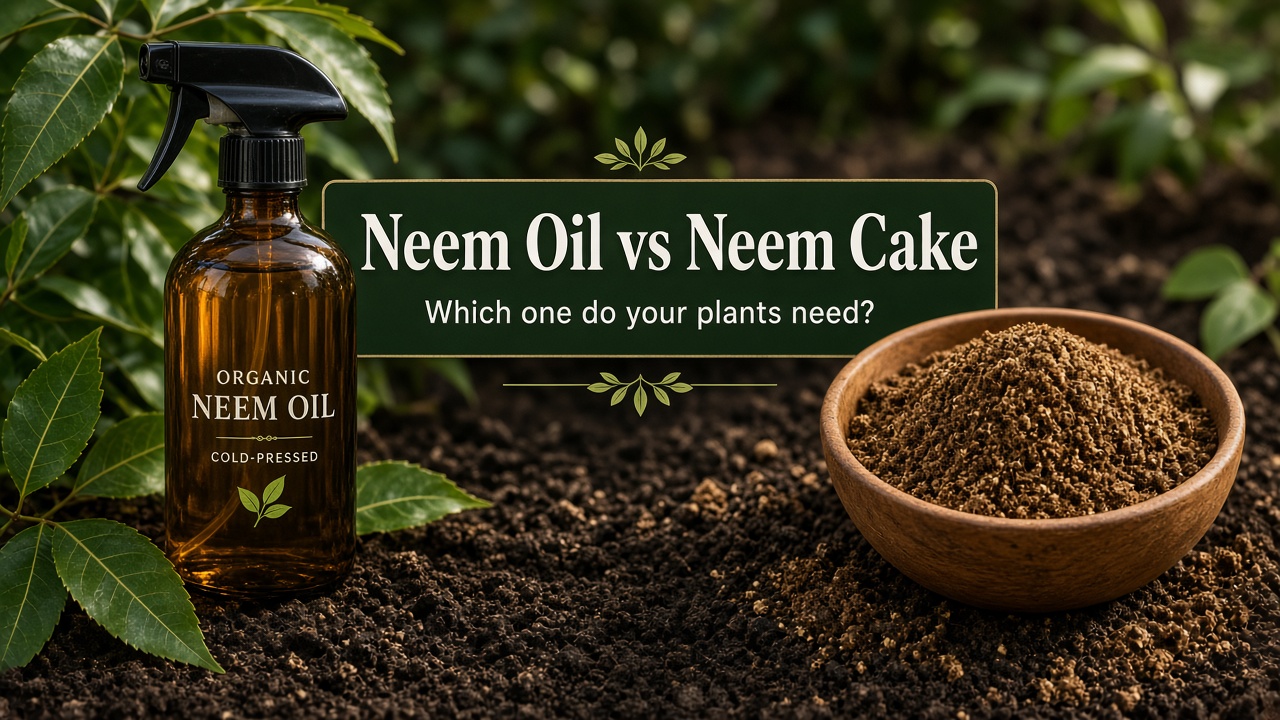
Check leaves regularly for spotting or a powdery coating, and remove affected leaves promptly to prevent spread. Neem oil, used as a spray during drier spells between rain, offers a natural way to manage early fungal and pest issues without chemical fungicides.
Monsoon Care for Potted vs. Garden Plants
Potted plants are generally easier to manage — they can be moved under cover, and their soil can be adjusted more precisely for drainage. Focus on drainage holes, well-aerated potting mix, and reduced watering.
Garden bed plants rely more on the surrounding soil’s natural drainage. Raised beds, mulching to reduce soil splash (which spreads fungal spores), and avoiding overcrowded planting all help garden plants weather the season better.
For drainage-heavy pots, see also Solving Soil Drainage Issues with Potting Mix and Perlite and Cocopeat: What It Is and Why Your Potting Mix Needs It.
Recovering a Plant Showing Root Rot
If a plant is already showing signs of root rot — wilting despite wet soil, yellowing leaves, a musty smell — act quickly:
- Remove the plant from its pot and inspect the roots. Healthy roots are firm and pale; rotting roots appear dark, soft, and mushy.
- Trim away any rotted roots with a clean tool.
- Repot into fresh, well-draining potting mix rather than reusing the old, waterlogged soil.
- Hold off on watering for a few days to let the plant recover before resuming a lighter watering routine.
FAQs
How often should I water plants during monsoon?
Often not at all for outdoor plants — natural rainfall usually covers their needs. Check soil moisture before watering rather than sticking to a summer schedule, since overwatering on top of rain is a leading cause of monsoon plant loss.
How do I stop root rot during monsoon?
Ensure every pot has proper drainage, use a well-aerated potting mix, and reduce manual watering once rains are consistent. If root rot has already started, repot into fresh soil after trimming away affected roots.
Can I fertilize plants during monsoon?
Yes, but lightly and less frequently than usual, ideally applied during breaks in the rain rather than right before heavy downpours, since nutrients can wash away quickly in continuous rain.
Which plants are most at risk during monsoon?
Succulents, cacti, and other plants adapted to dry conditions are generally most at risk, since they’re especially sensitive to prolonged wet soil and root rot.